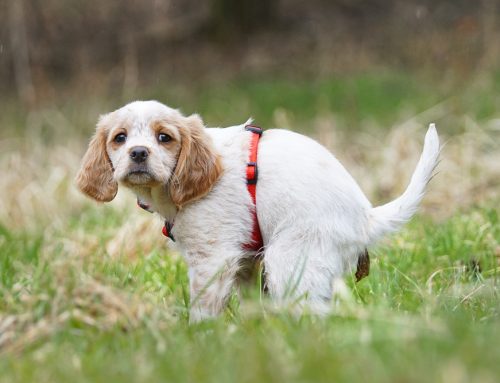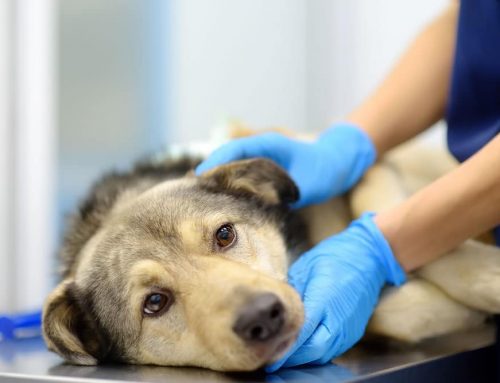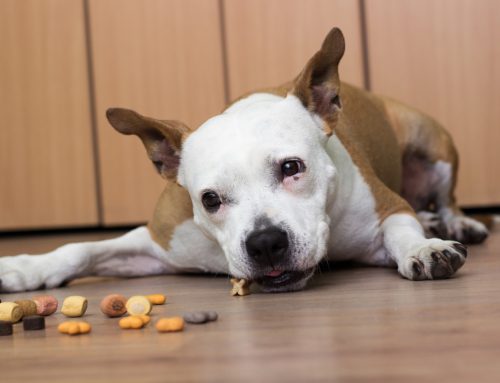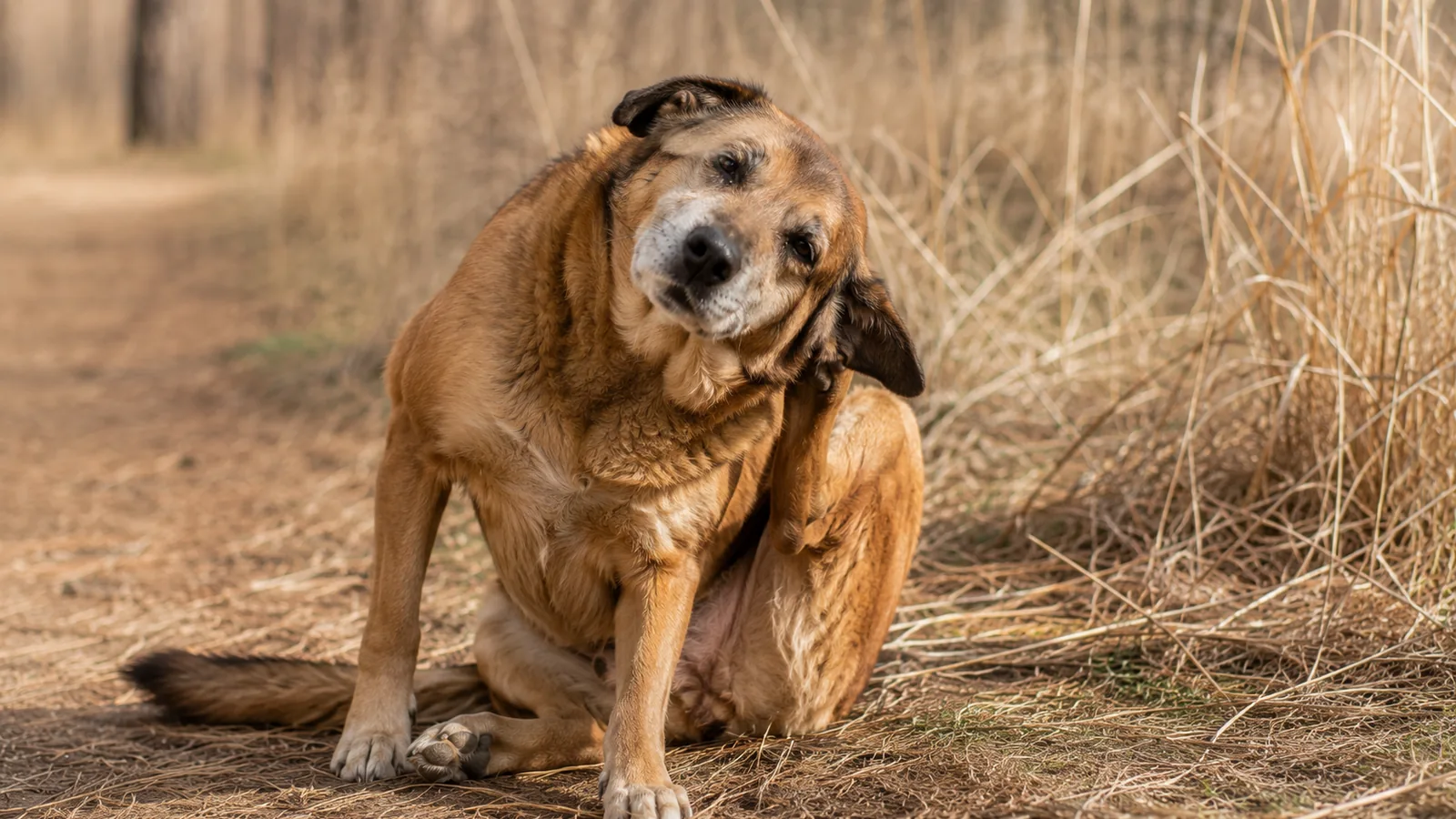
A grass awn that has worked into your pet's paw, ear, eye, or nose will not back out on its own. Foxtails and other grass awns are shaped like tiny arrowheads, with stiff barbs that all point one direction, so every step and every scratch pushes them deeper into tissue. Removed in the first day or two, most cause nothing worse than a sore spot; left alone, they can lead to abscesses, draining tracts, stubborn ear infections, eye injuries, and even damage to organs deeper in the body. Signs can hit right away, with sudden sneezing fits, hard head shaking, or nonstop licking at one paw, or they can surface days later as a swollen toe or a sore that keeps draining. Either way, the walk that caused it is easy to overlook.
This is exactly the kind of problem Peak Pet Urgent Care in Reno sees every summer: pressing enough to need attention today, but not the sort of thing most families think of as an emergency. When your pet starts shaking their head or sneezing after time outdoors, we can examine the ear canal with an otoscope or use rhinoscopy to see inside the nasal passages, find the awn, and remove it before it burrows farther. Cheatgrass and foxtail barley dry out early along Reno trails and vacant lots, so this stays a risk from late spring into fall. If your pet came home from the trail licking one paw raw or squinting an eye, walk in and let us take a look.
Foxtail Basics Before Your Next Reno Walk
- Grass awns are barbed grass seeds shaped like tiny arrowheads, and they only travel one way: deeper.
- Dogs collect them most often in the paws, ears, nose, and eyes, while cats tend to pick them up in the ear canals, around the eyes, and in the mouth after grooming.
- Trouble can start within minutes or wait two or three days, so a new limp, head shake, sneezing fit, or swollen toe after time outdoors is worth a look.
- A seed found on day one usually comes out in a single visit; one that's had a week to migrate can mean sedation, imaging, and surgery.
What Is a Grass Awn, and Why Won't It Just Fall Out?
A grass awn is the dry seed head certain grasses shed as they cure in the heat, and it's shaped like a miniature harpoon. The barbed seed heads most people call foxtails are built to travel one direction only, so every step, head shake, and scratch pushes the seed a little farther in instead of shaking it loose.
You'll hear them called spear grass, June grass, cheatgrass, or foxtail barley depending on who's talking, and they all behave the same way. The seed catches on fur first, works its way down to skin, and then uses your pet's own movement as a motor. Vacant lots, unmowed trail edges, the dry strip between sidewalk and street, and any field that's gone crispy by July are the usual sources. Awn injuries are one of the more common urgent problems we treat in dogs.
Why Is Something the Size of a Grain of Rice So Dangerous?
A grass awn is a minor nuisance only while it's sitting on the surface. Once it breaks through skin or slips into a canal, the body can't dissolve it or push it back out, and it keeps moving with dirt and bacteria riding along. A sore toe on Monday can be an abscess by Friday.
- Ears: A seed that slides down the ear canal keeps working toward the eardrum, and the ear infection that follows keeps coming back through round after round of drops until the awn itself is out.
- Eyes: An awn caught behind the eyelid scrapes the surface of the eye with every blink, and corneal ulcers that start this way can threaten vision in a day or two.
- Skin and paws: A seed buried in the webbing builds a pocket of infection that swells, opens, drains, and refills. Pockets like that have to be opened, flushed, and explored under sedation, which is where urgent surgery comes in.
- Nose and airway: An inhaled awn sets off frantic sneezing and one-sided discharge, and a seed that gets past the nasal passages can reach the lower airway and seed infection in the chest.
- Deeper structures: Migrating awns have turned up in the chest wall, the spine, and the abdomen, damaging tissue on the way and turning a five-minute removal into a major procedure.
Most seeds never get anywhere close to that. The ones that do are almost always the ones nobody found in the first week.
Where Do Foxtails Hide on Dogs and Cats?
Awns settle wherever fur traps them against thin skin: between the toes, inside an ear flap, under the third eyelid, up a nostril, in the armpit or groin, and in the mouth. Almost any body region can hide one, which is why the signs vary so much.
Most foxtail injuries announce themselves as a behavior long before anything looks wrong: a dog who will not stop licking one paw, a cat shaking their head at nothing, a fit of violent sneezing on the drive home from the trail.
| Where it lands | What you'll notice | What happens if it's missed |
| Between the toes | Licking one foot, limping, a soft swelling on top | Abscess and a tract that keeps reopening |
| Ear canal | Sudden hard head shaking, pawing at one ear, odor | Chronic infection, sometimes a ruptured eardrum |
| Eye | Squinting, tearing, redness, a paw held over the face | Corneal ulcer, scarring, vision loss |
| Nose | Explosive sneezing, discharge or blood from one nostril | Travel into the sinuses or lower airway |
| Under the skin | A firm lump, oozing, a wound that won't close | Infection that surfaces far from where it started |
| Mouth and gums | Gagging, drooling, pawing at the muzzle | Swelling under the tongue or in the throat |
| Groin or genital area | Licking the spot, swelling, discharge | Deep infection in tissue that's hard to examine awake |
Cats pick up fewer seeds than dogs, but a hunter moving through cured grass gets them in the ear canals and around the eyes, and grooming can drive one into the mouth. Our team provides urgent care for cats as well as dogs, and a cat who suddenly won't stop shaking their head or is holding an eye closed deserves the same attention a limping Retriever gets.
By the time a seed has been in for a week, it often shows up as a hot, soft lump that opens and drains on its own. That calls for abscess repair rather than antibiotics alone, because the pocket refills for as long as the seed is still down there.
Can Foxtail Symptoms Show Up Days After a Hike?
Foxtail symptoms often arrive on a delay. Some pets react within minutes of a seed working in, and others seem perfectly normal for two or three days before a toe puffs up, a head starts tilting, or a small wound refuses to close. By that point the outing that caused it is long forgotten.
The early changes are small: a dog who's slower on the stairs, a cough that only shows up in the evening, new swelling on a foot, a head carried at a slight angle, or a spot on the flank your cat won't leave alone. Any of those in the week after time in dry grass earns an exam.
Not every one of these turns out to be an awn, and that's fine. Head shaking can come from a yeast infection or ear mites, and a licked paw can be allergies, a sting, or a cracked pad. The workup looks much the same either way, and finding out it's pollen is a good outcome.
A few things to skip at home. Don't dig between the toes with tweezers when you can't clearly see the whole seed, because a broken awn left behind keeps migrating and gets much harder to locate. Never flush an ear you can't see into, and never try to pull a seed out of a nostril or an eye. If the awn is lying loose in the fur, take it out and watch the spot. For anything beyond that, bring your pet in and let us handle it.
How Do Veterinarians Find and Remove a Grass Awn?
Grass awns don't work themselves out, so removal is a hands-on job with one clear endpoint: the whole seed, in one piece, out. We start with a targeted exam of the likely sites, and because these sit deeper than any wiggling pet will tolerate, most retrievals need sedation to do properly. Where there is one there is often another, so we don’t stop looking until we’ve looked over your whole pet nose-to-tail.
A head-shaking dog gets an otoscopy exam that follows the canal all the way down, where a seed is often lying against the eardrum. For sneezing, rhinoscopy puts a camera into the nasal passages so we can find and grasp what nothing else can reach. Eyes get their own routine: a careful sweep behind the third eyelid, plus a stain on the cornea to check for an ulcer underneath.
Awns are stubborn on imaging. Plant material doesn't light up on an x-ray the way a swallowed bone does, so a migrating seed is usually found by following the damage instead of spotting the culprit. Ultrasound gives the better view of a soft-tissue pocket or tract, and radiographs rule out other reasons for a limp or a cough. When a seed has traveled far enough that a CT scan is the only way to map it, we refer that imaging to a specialty hospital and coordinate the transfer for you.
A culture guides the antibiotic choice when a wound has been simmering. Pain control comes standard, since these hurt more than they look like they should.
How Do You Keep Foxtails Off Your Pet in the First Place?
Prevention comes down to where you walk and what you do in the ten minutes after. Mowed trails and maintained parks carry a fraction of the seed load of a dry vacant lot in August, and a coat kept short through the season gives seed heads less to grab.
Mats and heavy feathering catch seed heads and hold them against the skin, which is why regular grooming through awn season is prevention, not vanity, especially around the paws, ears, and groin. Trimming the hair between the pads makes a real difference for dogs who run off leash, and it speeds up the after-walk check too.
For dogs who spend the summer nose-down in dry grass, mesh Outfox hoods shield the face, ears, eyes, and nostrils while still letting a dog pant and see where they're going. Booties can protect the skin between the toes.
Mowing your own yard before the grass cures, keeping indoor-outdoor cats in during the worst weeks, and choosing a paved route all cut exposure. Every trail and every backyard is a little different, so ask our veterinarians what to watch for on the routes you use around Reno.
What Should You Check After Every Walk?
The after-walk check takes about two minutes and catches most seeds while they're still sitting in the coat. Run both hands over your pet from nose to tail, then look closely at the spots awns favor: the feet, the ears, the eyes, the mouth, and the soft skin along the belly and groin.
| Where to check | What you're looking for |
| Between and under the toes | Seeds wedged in the webbing, redness, a foot pulled away from you |
| Ear flaps and canal openings | Seeds caught in the fur at the opening, flinching when you touch the ear |
| Eyes and eyelids | Squinting, tearing, a seed sitting in the inner corner |
| Lips, gums, under the tongue | Drooling, gagging, awns tangled in the fur around the muzzle |
| Armpits, belly, groin | Seeds worked into thin skin, small red bumps |
| Coat, tail, feathering | Anything that combs out, plus mats that can hide what you can't see |
Then keep an eye out for a day or two. Sneezing, a fresh limp, or steady licking at one spot after an outing is the same signal as finding a seed, just later. If one is already embedded, or your pet is guarding a spot you can't examine yourself, retrieval belongs to us rather than to a pair of household tweezers.
Questions We Hear About Foxtail Season
Can I pull a foxtail out myself?
If the whole seed is lying loose in the fur or resting on the surface of the skin and your pet will hold still, go ahead and pull it straight out, then watch the spot for a few days. What isn't a home job is a seed that has already broken skin, disappeared into an ear, or gone up a nose. Awns snap easily, and a fragment left behind keeps traveling and gets much harder to find later.
My dog's paw looked better after a few days. Are we in the clear?
Not necessarily. A draining spot can close over while the seed stays put, then refill weeks or even months later, sometimes surfacing several inches from where it went in. A wound that heals, reopens, and heals again is a classic sign something is still inside. If a sore keeps cycling like that, bring your pet in so we can explore it properly instead of treating the surface one more time.
Which pets are most likely to pick one up?
Dogs with long coats and heavy feathering on the feet and ears collect the most, and low-slung, wide-eared breeds run their faces right through the seed heads. Hunting dogs and off-leash adventurers top the list simply because of where they go. Cats carry a lower risk but aren't exempt, especially indoor-outdoor hunters who push through cured grass.
Getting Your Pet Through Foxtail Season
Foxtail season asks for very little: a smarter route and two minutes of checking at the door. Nearly every awn that turns into a real problem started as one nobody found.
If your pet comes home limping, sneezing, or working at one ear, don't wait it out to see what happens. Reach out or come see us at Peak Pet Urgent Care, and we'll figure out together what's in there and how to get it out.