A passing stomach upset and pancreatitis cause the same vomiting at home, and waiting to see which one you are dealing with does not answer the question. Blood work and an ultrasound of the belly do, because they show whether the pancreas has become inflamed and started digesting the tissue around it. Dogs usually show repeated vomiting, a tender abdomen, and a sudden refusal to eat, while cats may only go quiet and skip meals. Cases run from mild to a true emergency, and the quiet version in cats is the one most often missed until it gets worse.
Peak Pet Urgent Care in Reno is open seven days a week until 9:00 PM for dogs and cats, with the in-house lab work and abdominal ultrasound this diagnosis takes. We can tell you whether the pancreas is the problem, get the nausea and pain under control, and be straight with you about how sick your pet is. Milder cases go home the same day with clear at-home care instructions, and a pet who needs to stay on IV fluids overnight is stabilized here while we can help arrange that continued care at one of Reno's 24-hour emergency hospitals. If your dog is hunched and retching or your cat has gone quiet and stopped eating, tell us what you are seeing.
Pancreatitis in Dogs and Cats: The Basics
- Pancreatitis is inflammation of the pancreas, and how sick a pet gets varies widely from one case to the next.
- Dogs usually look obviously sick with repeated vomiting and a sore belly, while cats often just go quiet and stop eating, which is why the feline version gets missed.
- Blood work paired with an abdominal ultrasound separates pancreatitis from the other problems that cause identical vomiting.
- Most dogs and cats recover well when treatment starts early, and waiting is what turns a treatable flare into a complicated one.
What Is Pancreatitis, and Why Can It Turn Serious?
Pancreatitis is inflammation of the pancreas, the organ tucked against the stomach and small intestine that makes the enzymes that break down food and the insulin that manages blood sugar. It begins when those digestive enzymes switch on inside the pancreas instead of in the small intestine, so the organ starts breaking down its own tissue and whatever sits next to it.
- Acute: an episode that arrives suddenly, often after a rich meal, and can turn severe within hours.
- Chronic: a pattern that flares and settles over months, and enough repeated scarring can cost a pet the working tissue they need, which is how some end up diabetic or unable to digest fat properly.
- Severe: inflammation spreads into the fat and organs alongside the pancreas, usually the liver and small intestine, and the most severe cases tip into body-wide inflammation that strains the kidneys and heart. Most cases never get that far.
What Are the Signs of Pancreatitis in Dogs and Cats?
Repeated vomiting is the sign dogs and cats with pancreatitis most often share, sometimes bringing up food or bile and sometimes retching with nothing coming up. Many pets also quit eating and guard their belly, and some run a fever. Feline pancreatitis runs far more quietly than it does in dogs, so a few days can pass before anyone worries.
| Sign | In dogs | In cats |
| Vomiting | Repeated, often several times in a few hours | May vomit once, or not at all |
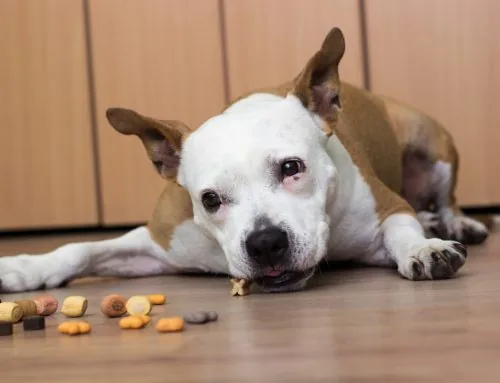
| Appetite | Flat refusal of a favorite meal | Picking first, then skipping meals entirely |
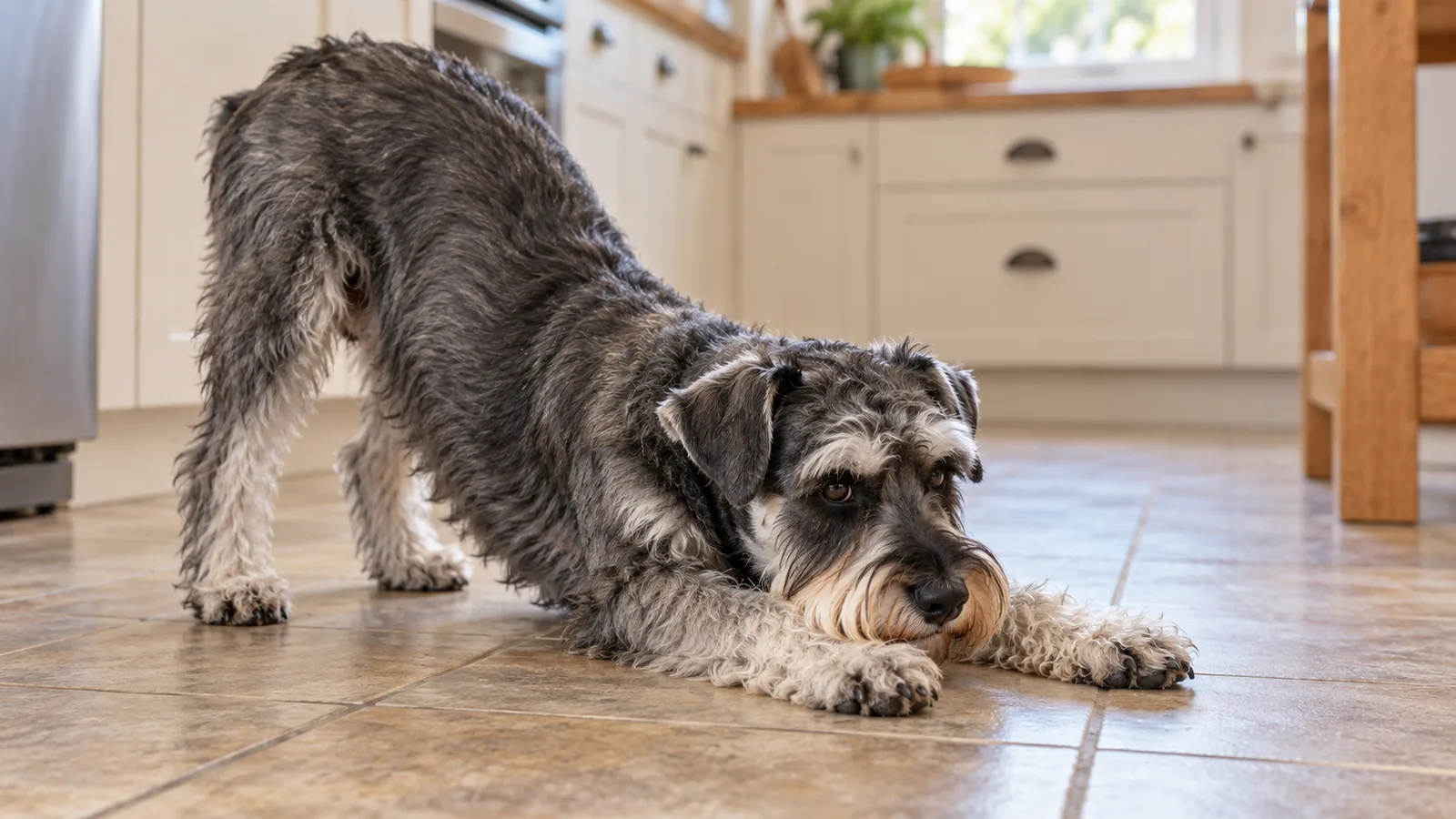
| Belly pain | A hunched "prayer position," chest down and rear end up, flinching when lifted | Tense abdomen, hiding, resisting handling |
| Other | Diarrhea, fever, drooling, pacing | Weight loss over weeks, dehydration, sometimes a yellow tinge to the gums |
Lethargy in a cat looks like skipping the windowsill, sleeping somewhere new, and sitting out the evening routine, and that change is worth a call on its own, especially alongside a skipped meal or two. If what you're seeing lines up with either column, your pet needs urgent care rather than another day of watching.
When Is Pancreatitis an Emergency?
Pancreatitis is an emergency when a pet can't keep water down, is in visible pain, or has stopped eating altogether. Dehydration is usually the first line crossed, and tacky gums, skin that is slow to spring back, and sunken eyes are signs of dehydration that move a vomiting pet from watch-at-home to seen-today.
- Vomiting that won't stop: several episodes in a few hours, or water coming back up within minutes.
- Nothing going in: a dog who refuses everything for a day, or a cat who skips meals for 24 hours.
- Visible pain: hunching, crying when the belly is touched, or an unwillingness to settle anywhere.
- Pronounced lethargy: trouble standing, no interest in you or the front door.
- A repeat flare: the same signs in a pet who has had pancreatitis before.
On your way in, don't give ibuprofen, naproxen, or acetaminophen; human pain relievers damage the stomach, kidneys, and liver in dogs and cats. Don't tempt an appetite with broth, drippings, or anything rich either, since fat is what the pancreas can't handle right now. Small sips of water are fine.
Waiting builds the complications: severe dehydration, infection taking hold in damaged tissue, inflammation spreading into other organs, and permanent loss of pancreatic function. In cats, every day without food makes all of it worse. We take walk-ins, and what happens when you arrive depends on how sick your pet is, because the sickest patients are seen first.
What Causes Pancreatitis in Dogs and Cats?
Many cases trace back to one of four things: a fatty or unfamiliar meal, a breed tendency, extra body weight, or another illness or medication already in the picture. In plenty of pets no trigger is ever found, and often several stack up at once, which is why one dog gets away with a stolen hot dog and the next one lands in the hospital.
Rich Foods and Table Scraps
Fatty table food is one of the most common triggers, and barbecue favorites like brisket trimmings, hot dogs, butter, and bacon sit at the front of the list. Grilling season runs long in Reno, and holiday leftovers do the same thing in winter. Feeding your pet their own dinner before guests arrive helps, and bagged trash goes outside rather than under the sink.
Breed Predisposition
Miniature Schnauzers sit at the top of the breed list for pancreatitis in dogs, largely because they tend to run high triglyceride, or blood fat, levels, with Yorkshire Terriers, Cocker Spaniels, and other small breeds close behind. Smaller dogs show up more often overall, though bigger breeds like Labradors get it too. In cats, breed matters much less, and pancreatitis turns up at every age and in every type.
Extra Weight, Other Illnesses, and Medications
- Body condition: Pet obesity keeps the whole body in a low-grade inflammatory state, so a flare is more likely to run severe.
- Hormone and metabolic disease: Diabetes, Cushing's disease, and hypothyroidism are all linked to increased risk, partly because they drive up fat levels in the blood.
- Inflammatory bowel disease in cats: Chronic intestinal inflammation and pancreatic inflammation overlap often enough in cats that finding one means looking for the other.
- Medications and household toxins: A handful of medications are linked to pancreatitis, and so are some cleaning products, garden chemicals, and plants. Bring a photo of every pill and supplement bottle, because the list sometimes explains the flare.
What Happens During a Pancreatitis Workup?
The visit starts with a hands-on exam and questions about what your pet ate and when the vomiting began, and a dehydrated, painful pet gets fluids and pain medication before anything else. Labs and imaging happen in the same visit, so you aren't sent home to wait on results.
- Blood work: does two jobs at once. A pancreas-specific test shows whether that organ is inflamed, and a full panel screens for the conditions that look identical from the outside, such as kidney disease, liver disease, diabetes, and a sudden drop in adrenal hormones.
- Abdominal ultrasound: shows what blood work can't, including the pancreas itself and any swelling, the fluid collecting around it, and whether the liver, gallbladder, or intestines have been pulled into the inflammation.
- X-rays: sort out the look-alikes we can't afford to miss. An intestinal blockage from a swallowed toy or a corn cob produces the same hunched, retching pet, and that case needs foreign body retrieval instead of pancreatitis care.
How Is Pancreatitis Treated?
Treatment doesn't target the pancreas directly. It rests the organ and supports the body while the inflammation settles, with fluids, nausea and pain control, stomach protectants, and low-fat food brought back gradually. How much support your pet needs depends on how sick they are.
| How severe | Treatment | Recovery |
| Mild | Fluids, injectable anti-nausea and pain medication, low-fat food at home | Often home after treatment here with written instructions |
| Moderate | IV fluids, injectable medication, and monitoring until nausea is controlled | Improvement often starts within a day or two |
| Severe | Continuous IV support, pain management, and close monitoring | Several days of inpatient care before appetite returns |
Pancreatitis itself isn't a surgical disease. When imaging points somewhere else, at a blockage or a mass, the question turns to abdominal exploratory surgery, and the veterinarian looking at your pet's images decides that case by case, weighing what the pictures show against how stable your pet is right now. You'll hear the plan, and where it happens, before anything gets scheduled.
Getting Food Back In
Food is part of the treatment, and it goes back in slowly: small portions of a low-fat, highly digestible diet, offered more often than usual, with the amount climbing as nausea fades. A cat who goes a couple of days without eating can slide into hepatic lipidosis, a liver complication that turns a treatable pancreatitis episode into a much longer recovery, so a cat who won't eat gets an appetite stimulant early and a feeding tube if that's what it takes to get calories in. The tube comes out once your cat is eating on their own.
What Is Triaditis, and Why Does It Mostly Affect Cats?
Triaditis is pancreatic, liver, and intestinal inflammation running at the same time, a pattern seen almost exclusively in cats because of how closely those three organs connect. The signs are the same quiet ones: a cat off their food, losing weight, vomiting on and off, sometimes with yellow-tinged gums.
Sorting it out means looking at all three organs. Ultrasound covers the pancreas, liver, gallbladder, and intestinal wall in one pass, and the liver and bile values on the blood panel fill in the rest. Treatment follows the same logic as pancreatitis alone, with medication aimed at the gut and liver added. Triaditis is slow to settle, often taking weeks, and it tends to return, so we can send what we found to your regular veterinarian and the long-term plan picks up where the urgent visit left off.
How Do You Care for a Pet at Home After Pancreatitis?
Home care comes down to three things: a low-fat diet in measured portions, a firm no on table food, and a close watch on appetite and energy for the first couple of weeks. Recurrence is less likely when all three hold.
Preventing a Second Episode
Choosing the right food after pancreatitis is about fat content, digestibility, and measured portions rather than brand loyalty. Use a real measuring cup instead of the scoop that came in the bag, and count treats inside the daily total instead of on top of it. A jar of the regular kibble set aside on the counter works better as a treat than anything from the deli drawer. Keeping your pet lean, with daily walks or a few minutes of play, helps too.
What to Watch for in the First Two Weeks
Track three things daily: how much your pet eats, how much water goes down, and whether energy is climbing or sliding. Vomiting that comes back, a belly your pet won't let you touch, or refusal of the new food is a call that day, not something to watch for a week. Keep the recheck, too: repeat blood work or another look on ultrasound is how your veterinarian confirms the inflammation has resolved, rather than guessing from the fact that your pet seems brighter.
Questions Families Ask About Pancreatitis
Is a little bacon grease really enough to set this off?
For some dogs, a spoonful is plenty. What sets off a flare depends less on the size of the serving and more on the individual pet, so a Miniature Schnauzer can get in trouble on drippings while the Retriever next door eats the same thing and is fine. A pet who has had one episode is often more sensitive to the next, so fatty table food stays out of the bowl for good.
If the blood work looks normal, can we rule pancreatitis out?
Normal blood work makes pancreatitis less likely, but it doesn't close the door. Pancreas-specific tests are good rather than perfect, and early or mild cases can read within range while a pet is clearly unwell. That's the main reason we pair labs with imaging, since swelling and fluid around the pancreas often show on ultrasound while the numbers are still ambiguous. If both come back clean and the vomiting continues, the cause is somewhere else and worth chasing.
My cat isn't vomiting at all. Could this still be pancreatitis?
Pancreatitis is very much still on the table for a cat who isn't vomiting. Many affected cats never do, and what their families notice instead is a cat who stops finishing meals, seems withdrawn from the household, and loses weight over a few weeks. With cats, the quiet presentation is the typical one, not the exception.
Don't Wait Out Vomiting That Isn't Getting Better
Most dogs and cats come through pancreatitis well when treatment starts early. If the vomiting isn't letting up, the bowl stays full, or your cat has gone quiet, reach out or walk straight into Peak Pet Urgent Care in Reno, and we can find out if the pancreas is behind it.