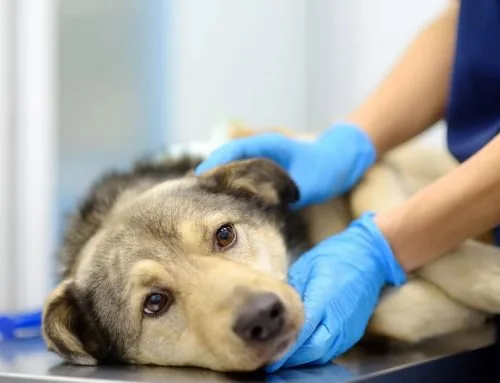
While your pet is seizing, the safest thing you can do is give them room, keep your hands away from their mouth, and time the episode. If your pet already has a diagnosed seizure disorder and the episode stops on its own in a minute or two, that is not the kind of emergency that has you running for the car, though it still earns a same-day call. A first seizure is different: every one needs to be looked at today, because the cause is still unknown. An episode that runs past five minutes, more than one in a day, a cluster where the next begins before your pet is back on their feet, or anything that follows a possible toxin means driving straight to the nearest 24-hour emergency hospital.
The hours after an episode are the hard part, when you are watching your pet closely and wondering whether another one is coming. Once the worst has passed and your pet is settling, that is the visit Peak Pet Urgent Care is here for, seven days a week in Reno, with the in-house lab, digital X-ray, and ultrasound to look for what set the seizure off, and a copy of what we find for your family veterinarian. If the episode is behind you and you are not sure what happens next, call us on your way in.
If Your Pet Is Seizing Right Now
- During a seizure, your pet needs space and quiet, your hands nowhere near their mouth, and someone watching the clock.
- A first seizure needs an exam today, even when your pet is up and wagging ten minutes later, since nobody yet knows what set it off.
- Five minutes of continuous seizing, a second episode the same day, or a seizure following a possible toxin or heat exposure means immediate care, not a night of watching at home.
- Many pets with a well-managed seizure disorder live long, comfortable lives on a steady routine and a daily medication.
Is My Pet's Seizure an Emergency Right Now?
Two things decide whether a seizure is an emergency: how long it runs, and whether your pet has seized before. A short episode in a pet with a known history is a different situation than a first-time event or one that won't stop, and that difference separates a same-day visit from a true pet emergency.
A seizure that doesn't stop on its own, called status epilepticus, is the version we worry about most. Muscles keep firing, body heat builds, and brain cells start to suffer, so a pet still seizing after five minutes needs help right away. Clusters count too: two or three episodes in a day, or a second one starting before your pet is back on their feet. A seizure that follows a hot car, a midday walk on pavement, or any other setup for heatstroke is urgent on two fronts, since a climbing core temperature and seizure activity each make the other worse. Wet your pet down with cool tap water on the way into the ER, never ice.
| What you're seeing | What it needs |
| Known seizure disorder, episode stops in a minute or two | A same-day call and an exam once your pet has settled |
| A first seizure, any length | To be seen today, even if your pet seems fine afterward |
| Past five minutes, or back-to-back episodes | Immediate care, without waiting to see if it stops |
| A possible toxin, heat exposure, or a head injury just before | Immediate care, with the packaging if there is any |
Walk in or call ahead: we see the sickest patients first, so a pet who just came out of a seizure isn't waiting behind a less worrying problem. If your pet is still seizing, or the episode starts after our urgent care hours in Reno have ended for the night, drive to the closest 24-hour emergency hospital instead.
What Do You Do in the Moment a Seizure Starts?
Give your pet room and let the seizure finish. Slide hard furniture out of reach, keep your hands well clear of their mouth, turn down the lights and the noise, and look at the clock, since the length of the episode is the most useful thing you can tell us afterward.
Nothing goes in their mouth: pets can't swallow their tongue, and a seizing jaw can bite down hard enough to break a finger. Don't restrain or hold your pet still, because pressure doesn't shorten an episode and it puts your hands and face in range, and don't offer food, water, or a pill until they're steady on their feet, since anything swallowed during the fog can go into the lungs instead. Never give human medication, including leftover pain relievers and sedatives from your own cabinet, and never make your pet vomit after a suspected toxin unless a veterinarian or a poison control center tells you to, because vomiting around a seizure is a choking risk.
Move your pet only if where they landed is dangerous, like the top of the stairs or the edge of a pool, and slide them clear on a blanket rather than lifting. Shut other pets in another room, since they can get agitated and sometimes redirect onto the one seizing. If you have a free hand, film it: thirty seconds of video tells us more than the best description.
Once the episode passes, call right away and come in. If it's still going at two to three minutes, call while it's happening and we'll tell you whether this is something urgent care covers or a drive to the emergency hospital, and a seizure still running at five minutes means driving straight there without waiting for it to stop.
What Are the Signs of a Seizure in Dogs and Cats?
A full-body seizure usually comes on suddenly: your pet drops, stiffens, paddles their legs, drools heavily, and may cry out or lose bladder control. Most last under two minutes, and the confused, unsteady stretch afterward often runs far longer than the seizure itself. Some pets act odd for a few minutes beforehand by pacing, clinging, hiding, or staring at nothing, and recognizing that warning phase gives you a head start on clearing the room.
Seizures in cats often look nothing like the full-body collapse most families picture, showing up instead as facial twitching, rapid blinking, heavy drooling, or several seconds of blank staring before the cat snaps back. Those few seconds are easy to write off as a bad dream, so an episode you can't explain in a cat is still worth an exam.
Not every seizure takes the whole body, either. A focal seizure involves one part: a twitching eyelid, one trembling leg, repetitive chewing or snapping at nothing, or a dog who suddenly looks terrified for no reason. Some pets stay conscious through it, and focal episodes can spread into a full-body seizure, so they aren't the harmless version.
What Happens in the Hours After a Seizure?
The recovery stretch, called the postictal phase, can last ten minutes or most of a day. Pacing, disorientation, bumping into furniture, temporary blindness, ravenous hunger, intense thirst, and loud vocalizing all belong here, and none of it means the seizure is still going.
Block the stairs, keep your pet off the couch, the bed, and the cat tree until their balance is back, and hold off on food and the water bowl until they can stand and walk steadily. Sit nearby and talk quietly rather than hovering and petting, since a disoriented pet sometimes doesn't recognize you for a few minutes and can snap without meaning to. A dim, quiet room helps for another reason too: in some cats, high-pitched household sounds like crinkling foil or jingling keys can trigger feline audiogenic reflex seizures.
Most pets drift back to themselves within a few hours. If yours isn't close to normal by then, if the wobbliness is getting worse instead of better, or if a second episode starts, call rather than waiting it out.
Why Do Dogs and Cats Have Seizures?
A seizure is a symptom, not a diagnosis. It means the brain's electrical activity misfired, and the reason can sit inside the brain, somewhere else in the body entirely, or in something your pet swallowed. Age and species narrow the list quickly, which is why the workup differs for a two-year-old dog and a twelve-year-old cat.
- Epilepsy: Idiopathic epilepsy in dogs is the most common reason a young or middle-aged dog has repeat seizures, and it gets diagnosed by ruling everything else out rather than by one confirming test. Epilepsy in cats is less common and more often traces back to an underlying problem in the brain, which is why a seizing cat usually needs a broader workup than a seizing dog of the same age.
- Trouble inside the brain: A first seizure in a pet past about seven carries a higher chance of a structural cause, and brain tumors are one of the more common ones in that age bracket. Head trauma, strokes, inflammation or infection of the brain, and malformations like hydrocephalus in young pets round out the category.
- Illness elsewhere in the body: Liver disease can cause seizures with a perfectly normal brain, because a liver that can't clear ammonia out of the bloodstream lets it reach the brain and scramble normal nerve signaling. Low blood sugar, kidney failure, calcium and electrolyte swings, severe anemia, and an overactive thyroid in cats can all do something similar.
- Toxins: Flea and tick products formulated for dogs rank among the leading causes of toxin seizures in cats, and human medications left on a counter can do the same thing. Rodent bait, sugar-free gum containing xylitol, antifreeze, and cannabis edibles belong on that list for dogs. If you know what your pet got into, call the ASPCA Animal Poison Control Center at 888-426-4435 on your way in and bring the packaging.
How Do Veterinarians Find Out Why It Happened?
The workup starts with your story and any video you captured, then moves to a hands-on physical and a neurologic exam. Reflexes, pupil responses, posture, and coordination narrow down where the trouble sits, since neurological issues can start in the brain, the spinal cord, or the nerves themselves. Testing follows that exam rather than a checklist, built around your pet's age, species, and whatever else they're being treated for.
| Test | What it's looking for |
| Blood and urine testing | Low blood sugar, liver and kidney disease, electrolyte and calcium shifts, infection |
| Blood pressure | High blood pressure, which is common in cats with kidney or thyroid disease |
| Digital X-ray | Heart and lung disease, swallowed objects, signs of recent trauma |
| Ultrasound | Organ changes and masses in the abdomen that bloodwork only hints at |
| MRI or CT at a specialty hospital | Tumors, inflammation, strokes, and malformations inside the brain |
| Spinal fluid analysis at a specialty hospital | Inflammation or infection of the brain and spinal cord |
A pet who needs watching rather than a ride home can often stay with us for monitoring and fluids. Advanced brain imaging and spinal fluid analysis happen at a specialty hospital with a veterinary neurologist, and we can help coordinate that transfer.
What Does Long-Term Seizure Treatment Look Like?
The realistic goal of managing seizures with daily medication is fewer and shorter episodes rather than a promise of none, and getting there depends on the same dose times every day plus periodic bloodwork to check drug levels and organ function.
When the cause is correctable, like low blood sugar or a toxin, fixing it can end the episodes without lifelong medication. Medication usually comes up when episodes arrive in clusters, run long, or start showing up more often than every month or two. Phenobarbital, levetiracetam, zonisamide, and potassium bromide are the usual choices, picked around your pet's species, their other illnesses, and how the family can realistically dose. For a pet who clusters, a rescue medication to give at home can shorten an episode early.
Keep a written log of every event with the date, time, length, and what happened just before it, since dose changes get made off that log. Skip unsupervised swimming and high perches while seizures are still active, since a seizure in water can drown a pet and a fall off a cat tree can break bones.
We don't provide primary care, so the daily plan, the refills, and the recheck bloodwork stay with your primary veterinarian.
Worries We Hear After a Pet Has a Seizure
Can a seizure kill my pet?
A single short seizure rarely does lasting harm by itself. The danger comes from length and repetition: an episode that keeps going drives body temperature up and starves brain cells of oxygen, and that combination can be fatal without treatment. The underlying cause carries its own risk, since a toxin or advanced liver disease is dangerous whether or not the seizing stops.
How do I know it was a seizure and not something else?
Fainting from a heart problem drops a pet suddenly, but without the paddling or the long confused recovery. A vestibular episode leaves a pet wobbly with a head tilt and darting eyes, fully aware the whole time. Tremor disorders shake a pet who can still walk and answer to their name, and sleep twitching stops the moment you speak. Video is the fastest way to sort these apart, which is why we ask for it before anything else.
Will my pet need medication for the rest of their life?
Not every pet who seizes needs lifelong medication. Some pets who seize once never do it again, and a correctable cause can end the episodes once it's treated. Epilepsy usually does mean long-term daily medication, though many pets need only one drug at a steady dose, adjusted over time by your family veterinarian based on how many episodes your log shows and what the bloodwork says.
Come In Once the Episode Has Passed
The sooner the cause is pinned down, the better the long-term plan tends to work. If your pet has had a seizure and you'd like them looked at while they're settling, reach out to Peak Pet Urgent Care in Reno and we'll get them in, get them comfortable, and start looking for the cause.