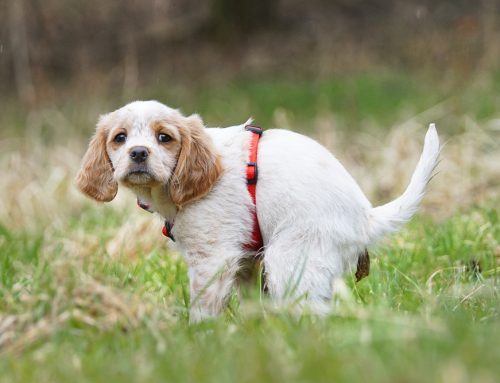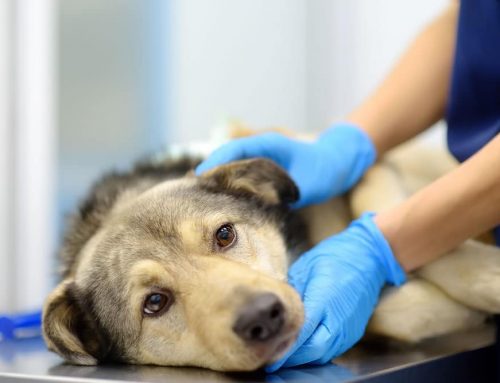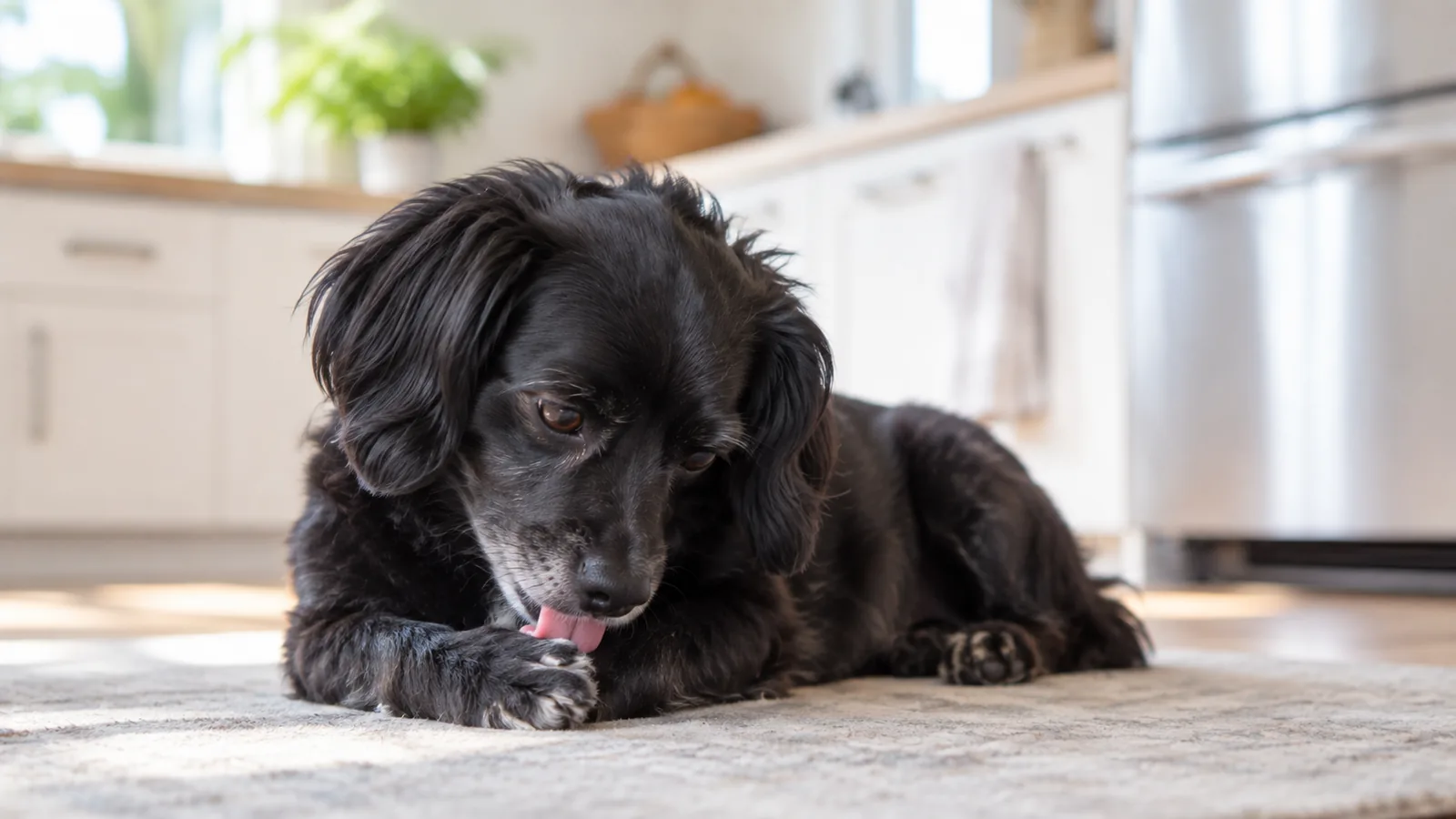
A torn toenail hurts far more than its size suggests, bleeds impressively, and rarely settles on its own, so a nail that is split, hanging loose, or bleeding is worth an urgent visit rather than a wait. Waiting also gives your dog a chance to lick a broken nail, almost always resulting in infection. Most of these injuries trace back to length. Most dogs need a trim every three to four weeks, and the simplest check is whether you can hear clicking when your dog crosses a hard floor. That schedule shifts with breed, age, activity level, and how much time your dog spends on pavement instead of grass. Nails long enough to touch the ground push the toes out of position, change the way your dog stands and walks, and put steady strain on aging joints. They are also the ones that snag on carpet, split, or tear down to the quick, which is how a grooming chore becomes an injury.
Peak Pet Urgent Care sees dogs on a walk-in basis in Reno for the days a nail goes wrong: torn back to the quick, split down the middle, or cut too short. Toenail and paw injuries in dogs are among the problems we treat every week. We can trim back what is damaged, stop the bleeding, and treat any infection underneath. We are open seven days a week, so bring your dog in if a nail is bleeding, hanging loose, or too painful to touch.
Start Here: Torn Nail Basics
- A split or torn nail rarely heals with the damaged piece still attached, so that fragment usually has to come off before the toe can settle.
- Long nails are the ones that catch and tear, so staying on a trimming schedule prevents most of these injuries in the first place.
- A quick nicked during a home trim is a bleeding problem rather than an emergency, and styptic powder pressed firmly against the tip handles it.
- Hot summer pavement and winter salt damage pads and make nails brittle, so paw protection is part of nail care.
Why Do Regular Nail Trims Matter for Your Dog?
A short nail lets the toe pad carry the weight, which is how the foot is built to work. Once a nail hits the floor first, your dog braces against it, stands a little differently, and starts sparing whichever foot feels worst. Over years, that altered posture tends to show up as stiffness rather than as an obvious foot problem.
Inside every nail sits a living core of blood vessels and nerves called the quick, and it creeps farther out toward the tip the longer a nail goes untrimmed. That's why a badly overgrown set can't be fixed in one afternoon. The quick has to recede gradually as the nail gets shorter, which takes a series of small trims over several weeks. A nail that grows so long that it curls around into the pad and breaks the skin is painful and infects the toe from the inside.
Senior dogs feel the difference first. An arthritic hip already makes rising off a hardwood floor a project, and long nails take away the traction that makes it possible. Plenty of dogs written off as slow move better once their feet are back underneath them properly.
How Often Should Your Dog's Nails Be Trimmed?
Most dogs land somewhere between two and six weeks, and what your dog walks on decides where in that range they fall. A dog logging sidewalk miles every day files their own tips down; a small dog whose world is carpet and lawn wears almost nothing off. Growth also runs fast in puppies and slows with age.
Taking a little off often is easier on everyone than one big cut every few months, and safe trimming means thin slices off the tip rather than a single deep pass.
Here's roughly how the schedule shakes out by lifestyle:
| Your dog's week | Trim about every | Why |
| Daily walks on sidewalk or asphalt | 4 to 6 weeks | Pavement sands the tips down between trims |
| Mostly carpet, lawn, and short strolls | 2 to 3 weeks | Soft surfaces do almost no filing |
| Puppy under a year old | 2 to 3 weeks | Growth is fast, and early practice matters more than length |
| Senior or arthritic dog | 3 to 4 weeks | Short nails restore traction on slick floors |
| Trail, farm, or sporting dog | 4 to 6 weeks | Rough ground wears nails down but also splits them |
Dewclaws are the ones families forget. They sit up on the inside of the leg, never touch the ground, and keep growing until they curl back into the skin. Check them every time you check the rest.
Routine trims belong with your family veterinarian or groomer, since we don't offer primary care or grooming. Once a nail is split, discolored, or too sore for anyone to touch, it moves into what urgent care handles rather than waiting for the next grooming appointment.
What Tools Make Nail Trims Easier at Home?
Clippers, a rotary grinder, and a scratchboard all get the job done, and which one you pick matters less than how the session feels, because a dog who gets fed through the process stops dreading the sight of a paw being picked up.
| Tool | Works best for | Keep in mind |
| Scissor or plier clippers | Fast trims on dogs who tolerate having a foot held | One deep cut can take too much, so work in small slices |
| Rotary grinder | Thick nails, and dogs who dislike the pinch of a clipper | The buzz and warmth take getting used to |
| Scratchboard | Front nails, and keeping tips blunt between trims | It can't reach the back feet or the dewclaws |
Cooperative care teaches a dog to offer a paw on cue and gives them a clear way to ask for a pause, built in short sessions that pair handling with food long before the clippers ever appear. A dog who knows they can end the session usually decides they don't need to.
A scratchboard lets a dog file down their own front nails by pawing at a sandpaper-covered board, which turns the whole job into a game for dogs who panic at the sight of clippers. Short sessions beat marathon ones, and nail trims go better when you do one or two nails, hand over a treat, and quit while your dog is still loose and relaxed. Ten nails in one sitting is a goal, not a requirement.
Our veterinarians and technicians work on a lot of sore feet, and the approach is the same one that works at your kitchen table: slow hands, good treats, no wrestling. A dog who's had one bad experience with a clipper often needs light sedation before a damaged nail can be trimmed back, and that's a reasonable choice rather than a failure on anyone's part.
What Should You Do If You Cut the Quick or Your Dog Tears a Nail?
For a quick nicked during a home trim, styptic powder stops the bleeding within seconds when you press it firmly against the nail tip instead of dusting it on, and cornstarch or plain flour will do in a pinch. Hold that pressure for a solid 30 seconds without lifting to check, then keep your dog from licking the toe, because the clot comes right off with a few passes of the tongue. Feed a jackpot of treats afterward so the last thing your dog remembers isn't the pinch.
A nail that's torn or split is a different situation. A split running down into the quick leaves living tissue exposed to every step, and cracked or torn nails usually need the damaged piece removed and the toe bandaged before anything can heal. In the exam room that generally means light sedation or a local block, trimming the broken nail back to healthy tissue, a bandage, and pain medication for a few days. If the nail bed looks infected, a sample looked at under the microscope shows what's growing before anyone picks an antibiotic. When the toe was crushed or caught hard enough to snap a nail off at the base, an X-ray rules out a fracture underneath.
A few things make a torn nail worse, and they're all tempting in the moment:
- Don't pull or cut off a hanging nail yourself. It's still anchored to living tissue, and the pain is real even when the piece looks ready to come free.
- Don't let your dog lick it. A cone for a few days is far kinder than the infected toe that licking produces.
- Never give human pain medication. Ibuprofen, naproxen, and acetaminophen cause stomach ulcers, kidney injury, and liver damage in dogs, even in small amounts.
- Don't wrap the foot tightly. A snug home bandage can choke off circulation to the toes. Cover it loosely with a clean cloth and come in.
Most dogs are walking comfortably again within a day or two, and the bandage usually comes off within a few days. The nail itself takes months to grow back out, and it can come in ridged or a little misshapen, which is normal. Call sooner if the toe swells, smells, drains, or stays sore past those first few days, because that's infection rather than healing. A single toe that stays swollen and painful long after the nail should have settled needs another look, especially in an older dog, since nail bed tumors can start out looking like a stubborn infection.
How Do You Protect Your Dog's Paws Through the Seasons?
Reno hands paws two opposite problems. Asphalt can reach 140 degrees on an 87-degree afternoon, so summer paw protection comes down to checking the pavement with the back of your hand before you head out and shifting the longer walks to early morning or after sunset.
Winter flips it. Ice balls collect in the fur between the toes and pull at the webbing, and road salt and deicers irritate pads and upset stomachs when a dog licks the residue off at home. A rinse and a towel dry after every walk takes care of most of that, and keeping the hair between the pads trimmed short gives snow less to cling to.
Dry high-desert air is hard on nails too. Brittle nails chip and split at the tip, and those are the ones that catch and tear when a dog corners hard on a trail. A pad balm helps with cracking, and booties work well for dogs who'll keep them on, which takes the same slow, treat-heavy introduction as the clippers did.
Burned or split paw pads turn up every summer, usually after a midday walk that felt perfectly fine to the person holding the leash. Pads that look gray, peeled, or blistered are a wound rather than a callus, and they need to be seen.
Questions We Hear About Sore Paws and Torn Nails
Will a torn nail heal on its own if we leave it alone?
Occasionally the outer shell breaks off cleanly and the toe underneath is fine. More often the split runs back into living tissue, and the loose piece catches on carpet and re-tears before it can heal. Add licking and a warm, damp foot, and infection follows within a day or two. Having the damaged portion trimmed back and the toe covered turns a week of limping into a much shorter recovery.
How do you avoid the quick on black nails?
You can't see through a dark nail, so you read the cut surface instead of the nail itself. Take thin slices off the tip and look at the freshly cut end after each pass. Dry and chalky white means keep going; a soft gray or pink circle appearing in the center means stop right there. A grinder is more forgiving for black nails because it removes so little at a time.
Why do my dog's nails keep cracking or falling off?
One broken nail is usually just bad luck on a rough surface. Several nails splitting or lifting across different feet is a different story and points toward something systemic, such as a nail bed infection, an immune-mediated condition that attacks the nails, or a hormonal disease. Brittleness also increases with age and dry air. When it's a pattern rather than a single accident, reach out instead of waiting to see whether a third one goes.
Making Nail and Paw Care a Regular Habit
Short nails, unhurried handling, and feet that get looked at often are what keep small problems small. Torn nails still happen to careful families, usually on a completely ordinary walk, and the amount of blood on the kitchen floor rarely matches how serious the injury is. That part is fixable, and it's much easier on your dog when the toe gets cleaned up early instead of after a few days of licking and limping.
Peak Pet Urgent Care is open seven days a week for exactly this kind of day. If a nail is bleeding, hanging loose, or too painful to touch, come see us in Reno.